


 1
1
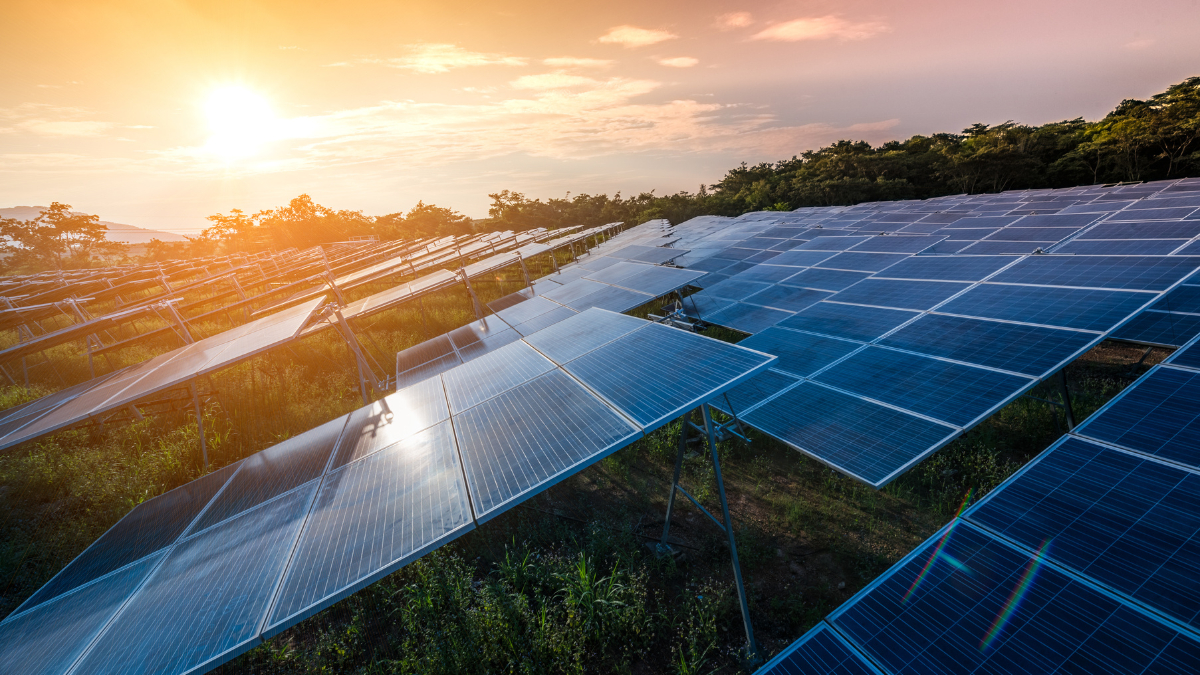
India Slashes GST on Solar & Wind Energy: Boost to Green Tech Adoption
8 months agoIntroduction
Maruti Suzuki has taken a strategic detour from pressing ahead with a full electric vehicle (EV) launch. Instead, with the recently unveiled Victoris SUV, the automaker is doubling down on hybrid and CNG variants, leaving its EV debut still pending. This shift reflects a pragmatic response to India’s unique market challenges—from infrastructure to pricing.
Table of Contents
-
India’s EV Roadblock: Challenges Ahead
-
Maruti’s Triple‑Fuel Approach: ICE, Hybrid & CNG
-
Hybrid Localisation: Reducing Cost, Boosting Appeal
-
Demand Landscape: Why Hybrids & CNG Are Leading for Now
-
What Lies Ahead: EV Prospects for Maruti
-
Suggested Chart/Table
-
Conclusion
-
FAQs
1. India’s EV Roadblock: Challenges Ahead
Despite government incentives, electric vehicles in India face key hurdles:
-
High upfront pricing, especially with limited localized cell manufacturing and constraints in rare earth supply
-
A weak charging infrastructure, which undermines consumer confidence in EV adoption
2. Maruti’s Triple-Fuel Approach: ICE, Hybrid & CNG
Maruti Suzuki has introduced the Victoris SUV with three engine configurations—traditional internal combustion, hybrid, and CNG—while deferring EV launch plans for the moment.
3. Hybrid Localisation: Reducing Cost, Boosting Appeal
Maruti is ramping up localized production of hybrid battery components. This move aims to lower costs and make hybrids more affordable and accessible to Indian buyers.
4. Demand Landscape: Why Hybrids & CNG Are Leading for Now
-
Fuel budget concerns and infrastructure gaps amplify the appeal of hybrids and CNG. A recent economic overview showed hybrids commanding 8.29% market share in May 2025—double the EV segment’s share, which stood at around 4%.
-
Data from July 2025 suggests hybrid vehicle growth mirroring EVs, driven by high fuel prices and stricter fuel-efficiency norms.
5. What Lies Ahead: EV Prospects for Maruti
Despite the current focus on hybrids and CNG, EVs remain part of Maruti’s roadmap:
-
The e-Vitara, Maruti’s first EV, was flagged off on 26 August 2025, and is being positioned for global exports, targeting some 70,000 units in FY 2025‑26.
-
The shift to hybrids and CNG reflects strategic pacing amid domestic EV adoption challenges, not an abandonment of electrification.
6. Suggested Charts / Tables
-
Chart A: Comparative market share (%) — Petrol, Diesel, CNG/LPG, Hybrid, EV (May 2025 vs May 2024)
-
Table B: Pros & Cons summary for ICE vs Hybrid vs CNG vs EV, including cost, infrastructure needs, and policy incentives.
7. Conclusion
Maruti Suzuki’s phased approach—prioritising hybrids and CNG before fully embracing EVs—mirrors market realities in India today. With cost, infrastructure, and consumer readiness still evolving, hybrids and CNG models offer a credible bridge to cleaner mobility. However, the imminent ramp-up of the e‑Vitara indicates that EVs remain very much on the horizon for the country’s leading carmaker.
8. FAQs
Q1: Why is Maruti delaying its EV launch?
A1: Due to high EV price points, limited local battery cell production, supply constraints, and weak charging infrastructure.
Q2: What are the Victoris SUV’s engine options?
A2: It offers three variants—ICE, a mild/strong hybrid (with Toyota-enabled technology), and a CNG version.
Q3: What is India’s current share of hybrids and EVs?
A3: In May 2025, hybrids represented ~8.3% of market share and EVs just over 4%—showing stronger traction for hybrids.
Q4: Does Maruti plan to produce hybrids locally?
A4: Yes, Maruti is localising hybrid battery component manufacturing to reduce production costs and increase affordability .
Q5: What’s the status of Maruti’s e-Vitara EV?
A5: The e-Vitara began production in August 2025, aimed for exports to over 100 countries, and targets about 70,000 units in FY 2025‑26.
 3
3
 4
4
 5
5

Leave a Reply