


Acelen Renewables selects AFRY for OECM services

The Bahia biorefinery project aims to produce renewable fuels that can reduce greenhouse gas (GHG) emissions by up to 80 percent compared to fossil fuels, making a significant contribution to regional climate goals.
The plant will be located in the city of São Francisco do Conde, in the state of Bahia, and is set to produce 1 billion liters of biofuels annually, specifically renewable diesel (Hydrogenated Vegetable Oil – HVO) and sustainable aviation fuel (SAF). By delivering these renewable alternatives, the facility will help support the decarbonization of the transportation and aviation sectors.
AFRY joins the initiative, bringing additional expertise and reinforcing the project’s robustness. We are now entering a new phase of large-scale industrial execution, said Luiz de Mendonça, CEO of Acelen Renewables.
AFRY’s scope of work includes Owner’s Engineering and Construction Management (OECM) services as well as ensuring the timely delivery of essential supply packages.
The new assignment builds on AFRY’s foundational work in the project, for which AFRY provided conceptual design, basic engineering, and environmental licensing support.
We are happy to continue supporting Acelen Renewables in this project that paves the way for their decarbonization path and is in line with our mission to unlock transitions towards a sustainable society. We look forward to providing our multidisciplinary expertise to help realize Acelen Renewables’ vision, said Guy Skantze, Head of Segment Chemicals & Biorefining at AFRY.
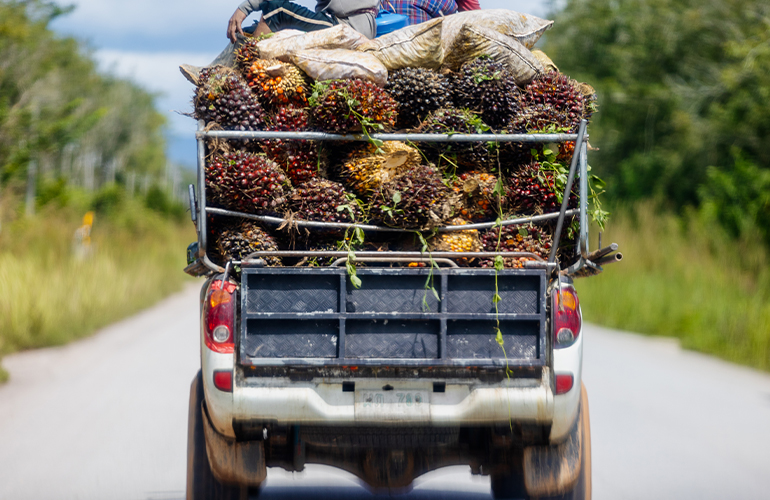
Production at the new facility will initially start with conventional vegetable oil, before moving to macaúba oil, a native Brazilian plant, as the primary feedstock. This ensures a sustainable, localized, and efficient supply of raw materials.
The Bahia biorefinery project is part of Acelen Renewables’ transition strategy to renewable fuels, and the company has communicated large investments over the next 10 years.
The project is also estimated to create up to 3,600 direct and indirect workers at the peak of the construction phase and 220 jobs during the plant’s operation, supporting the local economy. Production is planned to begin in 2029.
What's Your Reaction?
 Like
0
Like
0
 Dislike
0
Dislike
0
 Love
0
Love
0
 Funny
0
Funny
0
 Wow
0
Wow
0
 Sad
0
Sad
0
 Angry
0
Angry
0






Comments (0)