
Reflecting on 10 Years of Marine Energy in Wales – Jonny Lewis
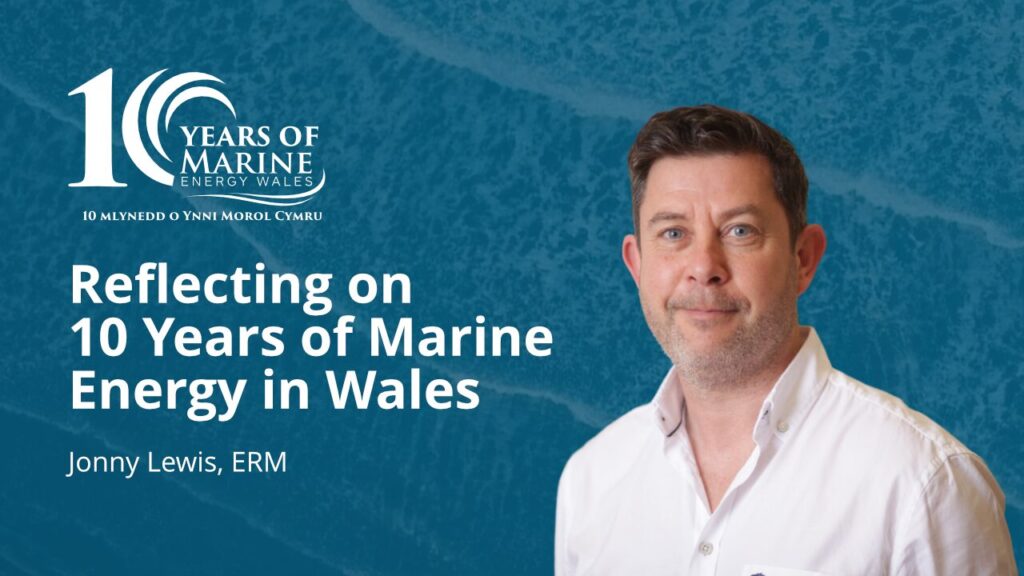

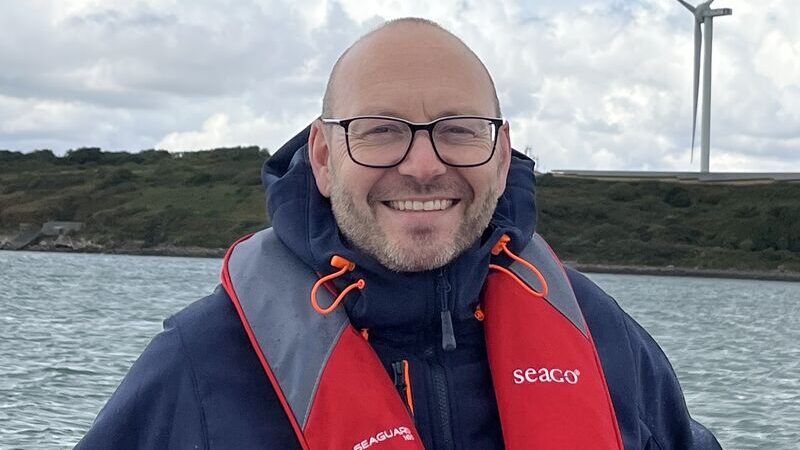
Jonny is an experienced marine environmental consultant and has worked on many of Wales’ renewable energy projects to date.
He played an integral role in achieving consent for both Erebus, Wales’ first planned floating windfarm, and Morlais, the tidal stream array off Anglesey.
Tell us about your current role and your connection to the Welsh marine energy sector, what led you to where you are today?
I’m currently a partner at ERM, which is a global advisory and consulting firm with over 8,000 people in 40 countries. I sit in the Capital Project Delivery (CPD) team, which is often described internally as the engine room of the business. We work on projects all over the world, but my specialism is marine, and I am a marine biologist by training.
I was born and grew up in Pembrokeshire, and I think my first exposure to the marine energy sector would have been back in 2005. At the time, there was a tidal turbine developer named Lunar Energy, who were actively exploring options for projects in the UK.
At that time, I was working with RPS, and we worked with Lunar looking at site selection options around the UK. Ramsey Sound came out on top for their device in terms of resource, grids, environmental constraints etc, so through that work I found myself back in Pembrokeshire.
Since then, I’ve worked on a huge range of Welsh projects including Delta Stream, Morlais, Erebus and the Swansea Lagoon.
“In terms of policy and funding, we’ve seen good progress over the last decade, and critically we’ve seen progression of projects too.”
Looking back over the last 10 years of the sector, what do you think has changed the most?
One of the biggest changes is the increased public awareness around renewables, low-carbon electricity and wider climate change issues in general. Personally, my three teenagers are now aware of it, and that’s a good metric for me to measure from.
In terms of policy and funding, I think we’ve seen good progress over the last decade, and critically we’ve seen progression of projects too, with Celtic Sea offshore wind projects such as Erebus and White Cross receiving consent.
On the other hand, the last two years do feel like a slight step backward in terms of public opinion and acceptance around net zero and climate change, which of course isn’t great.
Has there been a moment in the last decade that made you stop and think, “this industry is actually happening?”
My focus is on early project feasibility, scoping and ultimately consenting; and if you’re lucky, you get to see a project through to the construction and operational phases. All the stages in that are rewarding, but getting consent is the goal for us.
Achieving consent for Morlais was a big tick for us, particularly as the critical end stage of the consenting process happened during the pandemic, which was extremely challenging. It was a complicated project conceptually to start with; multi-device, multi-technology, so obtaining consent was a huge milestone.
Personally, and perhaps rather selfishly, achieving consent for Erebus was another big milestone for me as I was Project Director for the Offshore EIA.
Have there been any tough moments or big challenges for the sector or for you personally during your career? if so what did they teach you?
I was heavily involved with the Delta Stream project in Ramsey Sound and having worked on so many projects that haven’t made it into the water, to be able to see that device installed, grid connected and working was amazing.
Subsequently, watching it ultimately fail and seeing where it is now has been incredibly disappointing to witness. However, what I learned from that is just how challenging this sector is – you can plan as much as you like but things break at sea and it’s an incredibly tough environment to operate in.
Another challenge was Erebus. Our team worked incredibly hard to get the EIA and consent applications submitted to an aggressive time frame with a Contracts for Difference (CfD) application in mind which we did, and that was a huge achievement. Then when the project didn’t enter itself into the next allocation round that was tough. They now have a CfD though which is fantastic, but that was difficult at the time.
What role has Marine Energy Wales played in your own career or organisation and for the wider industry?
Personally, as a consultant, being present at discussions and being a part of the MEW network has been hugely beneficial.
My previous company MarineSpace, built itself up to the point where we got acquired by a big multinational company (ERM), and projects like Erebus and Morlais were key to that growth. But I don’t think those projects would have landed on our books without the links made through Marine Energy Wales.
As an organisation, I think MEW consistently punches above its weight and has become a real voice for the sector and for Wales in general. If someone didn’t know the team or had never visited the office, they might be expecting a big, heavily funded organisation full of interns.
It’s a small team which faces the same challenges as the rest of us around funding, resources and support, and it’s providing a massively beneficial service to the sector.
if someone reads this article in 2036, what do you hope they’ll say about what the sector has achieved? What are your hopes for the next 10 years?
This next decade will hopefully be the one where the sector moves from concept to execution.
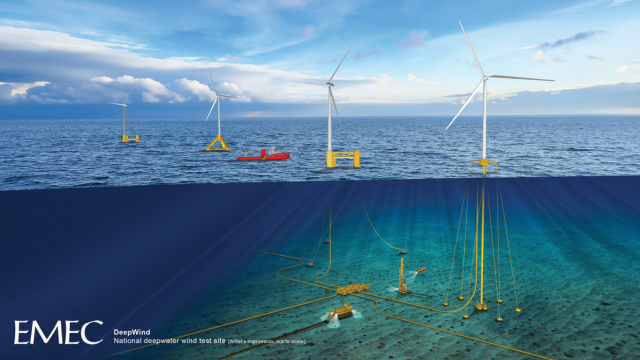
At Morlais we should be demonstrating clean energy production and similarly with the first Test & Demonstration floating offshore wind projects.
Of course there are still things to overcome, but we’ve almost got the policy, we’ve got the leasing mechanisms and we’re getting an increased understanding of the environmental issues at play.
I’d love to be able to look at an Admiralty Chart and see actual projects marked.
The post Reflecting on 10 Years of Marine Energy in Wales – Jonny Lewis appeared first on Marine Energy Wales.
What's Your Reaction?
 Like
0
Like
0
 Dislike
0
Dislike
0
 Love
0
Love
0
 Funny
0
Funny
0
 Wow
0
Wow
0
 Sad
0
Sad
0
 Angry
0
Angry
0







Comments (0)